Outdoor Activities
Winter Hiking
I love hiking in challenging conditions — it's one of the few activities where I can fully disconnect from work and focus entirely on the environment around me. As a certified Winter Hiking Leader at the MIT Outing Club (MITOC), I plan and lead group trips into the White Mountains of New Hampshire throughout the winter season, from November through March.
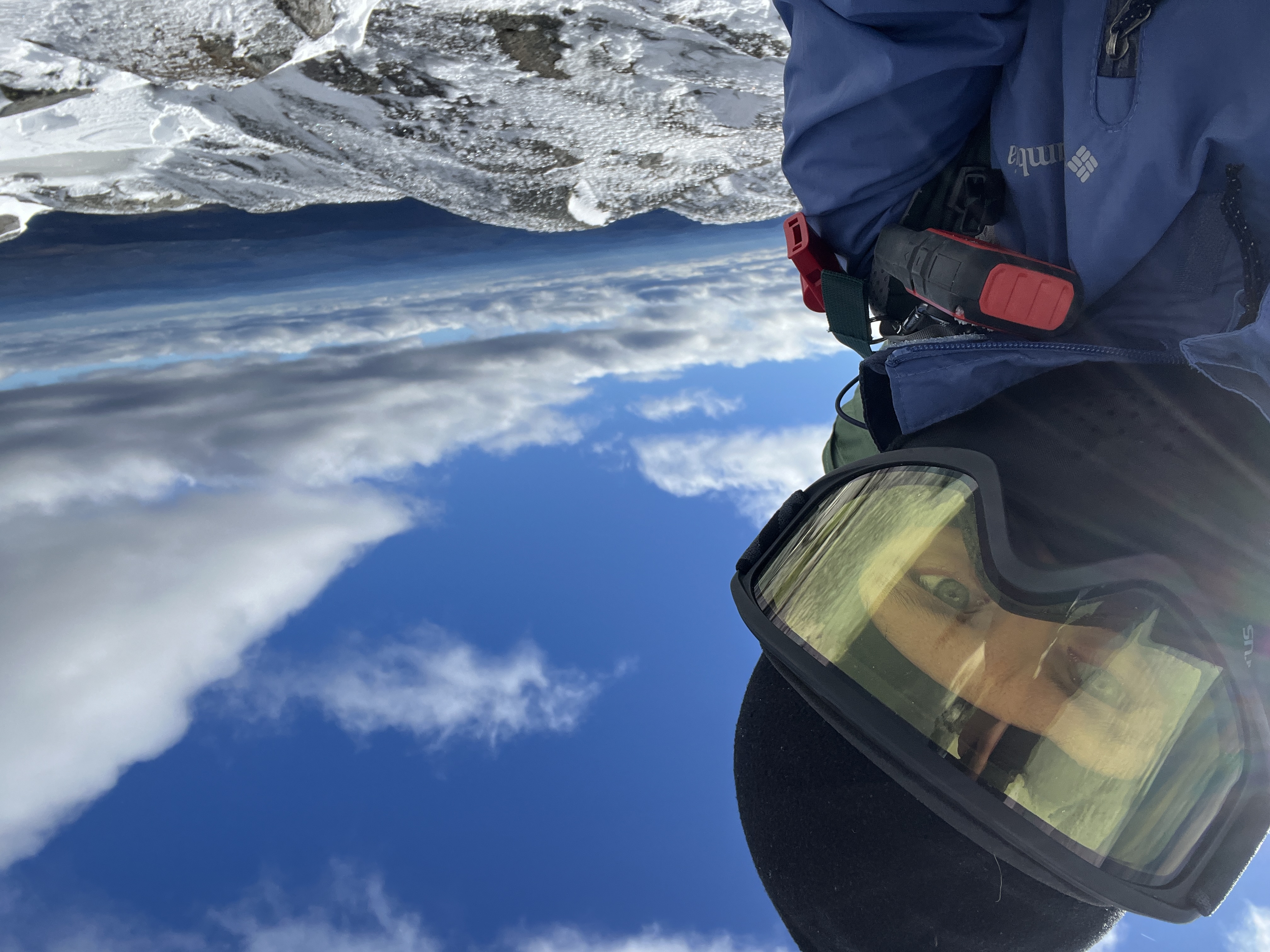
The MITOC Winter Hiking Leader certification involves training in cold-weather safety, navigation, group management in alpine conditions, and emergency response. Leading groups means making real-time decisions about route adjustments, turn-around criteria, and managing the wide range of experience levels that show up on club trips. Mount Washington is a recurring destination — the summit weather station regularly records some of the harshest conditions in the northeastern United States, including hurricane-force winds and temperatures below -20°F (-29°C).
What I enjoy most about leading trips is introducing people to the idea that hiking below 5°F can actually be a great experience. With the right gear and mindset, winter hiking offers something summer hiking doesn't: the trails are quieter, the views are crystalline, and the physical challenge of moving through deep snow builds a different kind of confidence. Over multiple seasons with MITOC, I have led trips of 4–12 people across a range of peaks in the Presidentials and Franconia Ridge.
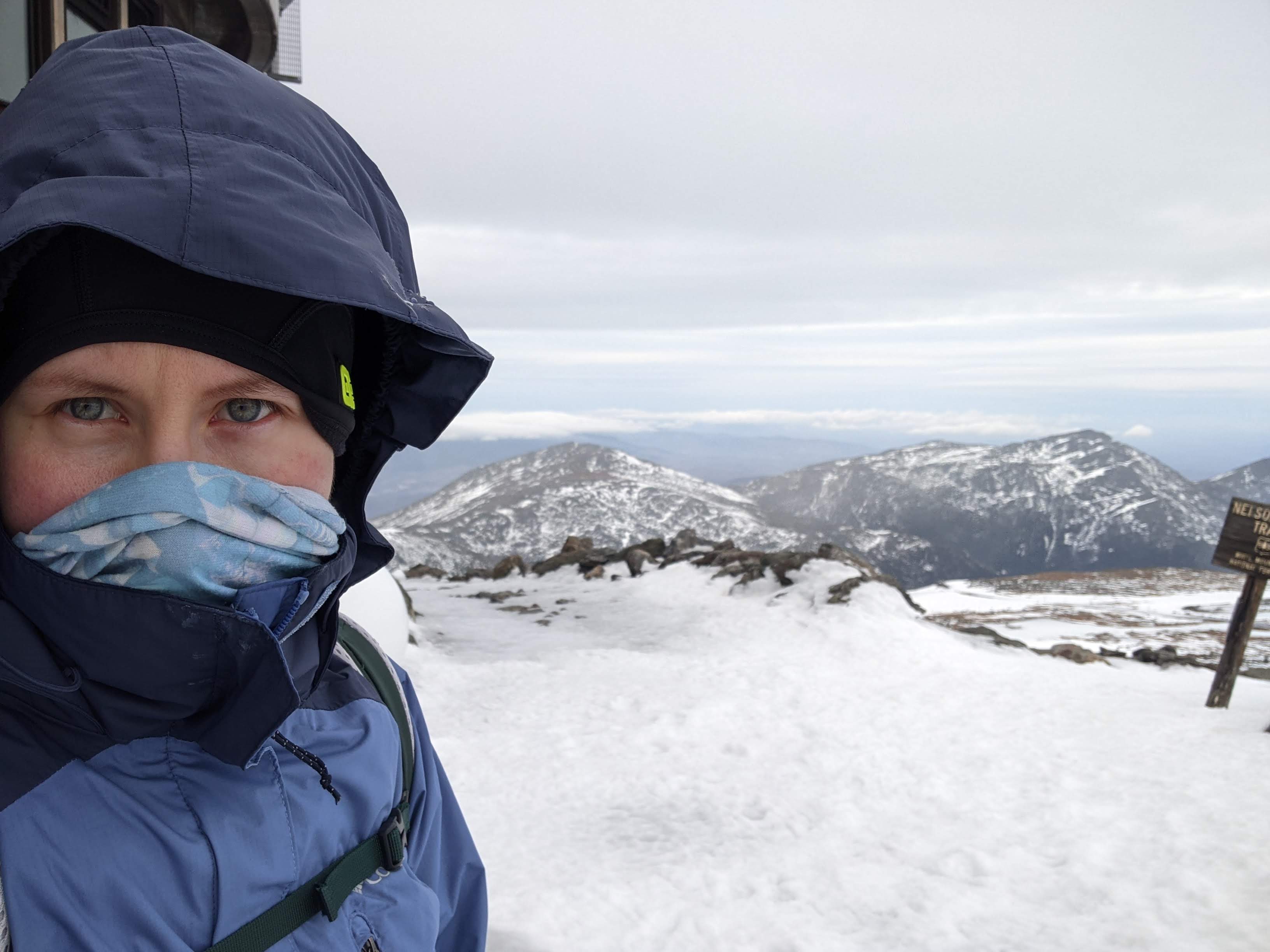
Mount Washington, Winter 2023
Road Cycling
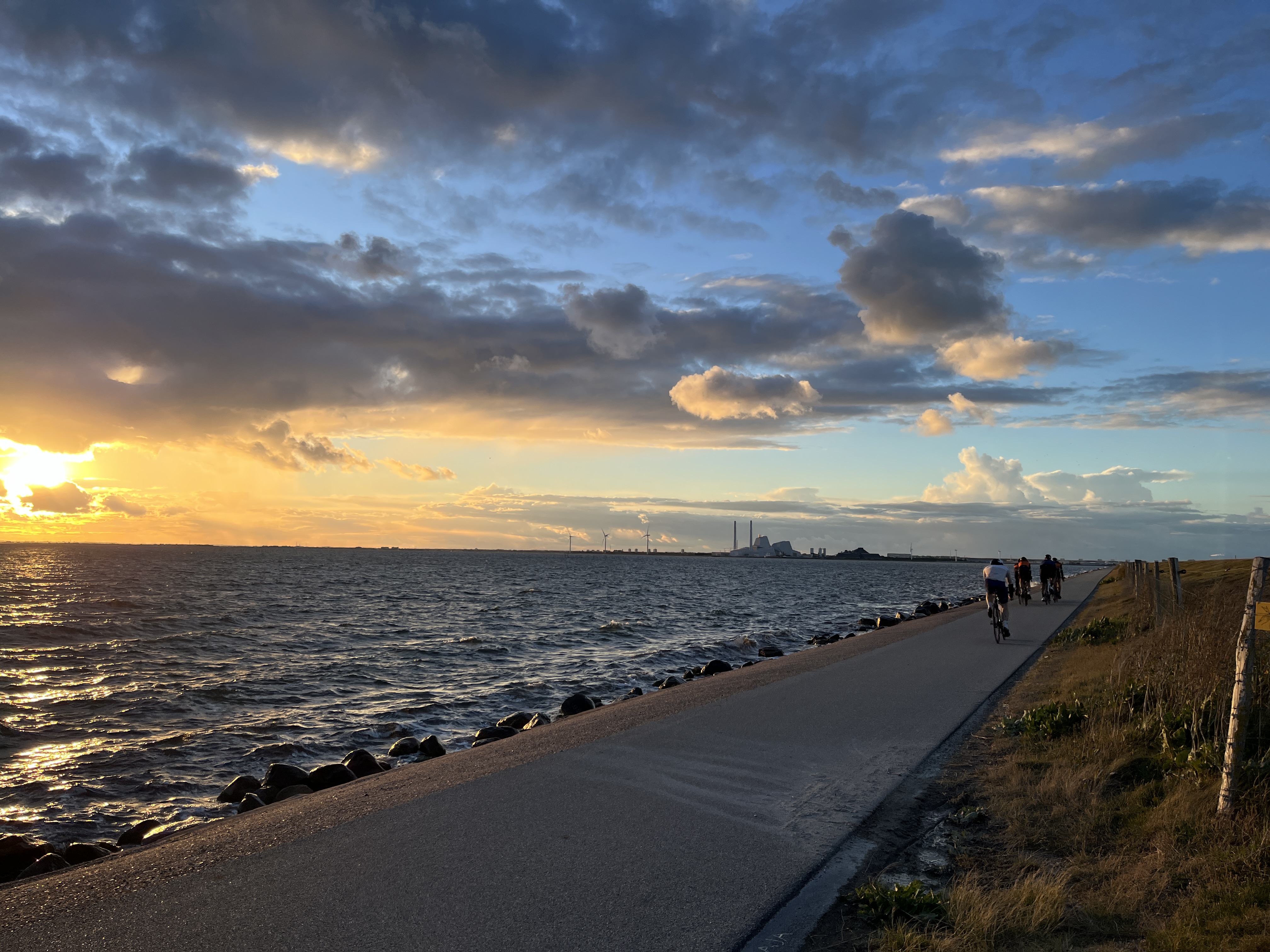
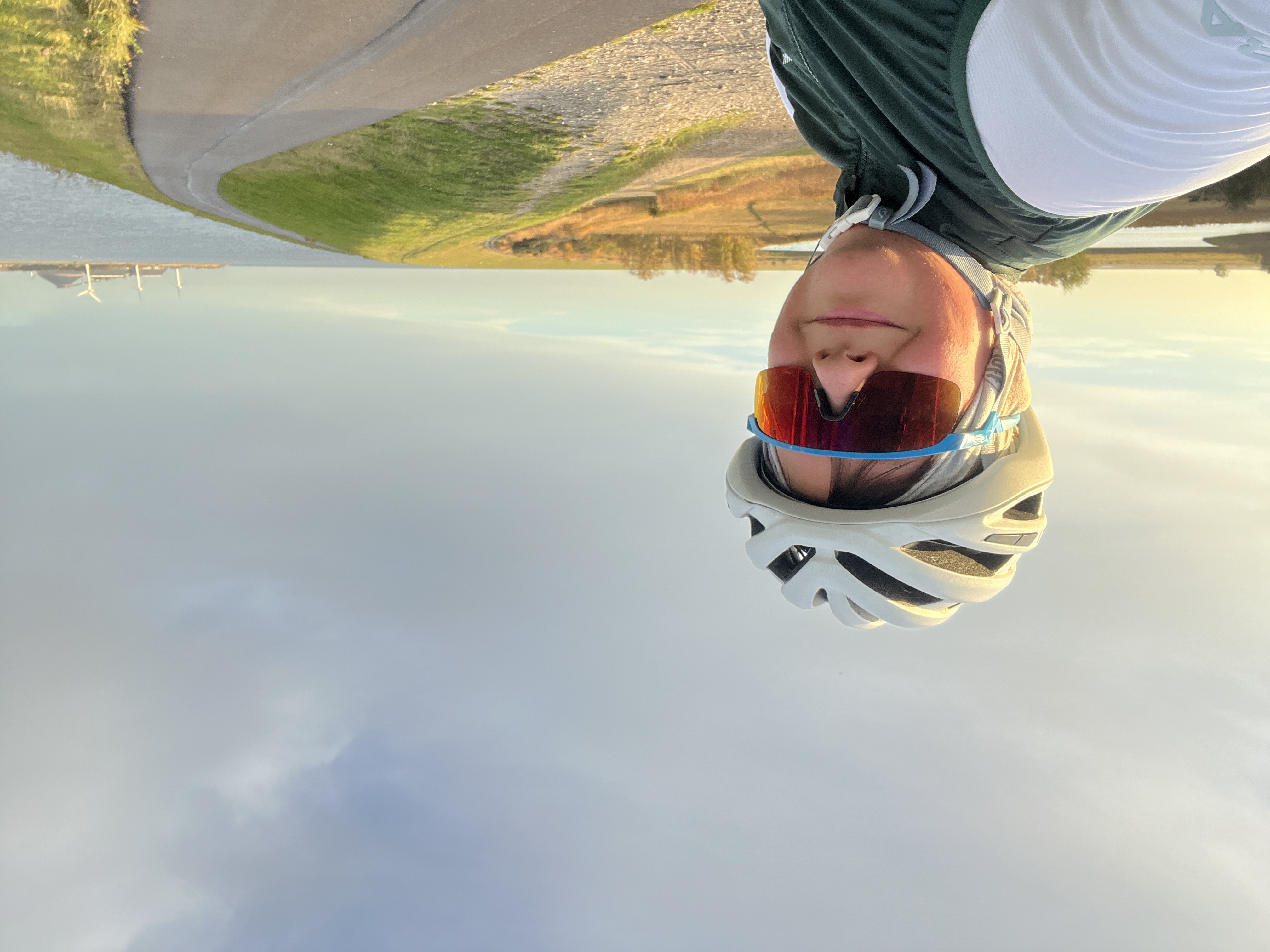
Road cycling is my other main sport outside of work. I cover 3,000–4,000 km annually on the bike, typically across a mix of longer endurance rides and faster interval sessions. There is something about the combination of sustained physical effort and forward motion through a landscape that creates a kind of mental clarity I don't find easily elsewhere.
Cycling around the Boston area means working with a lot of varied terrain — from the flat coastal routes north of the city to the steeper hills heading west toward Concord and Lexington. On longer weekend rides, I extend out through the Massachusetts countryside where the traffic thins and the roads wind through small towns and farmland. The rhythm of a long ride is something I find genuinely restorative after weeks of dense reading and computation.
The discipline of training for a cycling season — setting weekly distance goals, tracking progress, managing rest — also connects to how I think about research: iterative, data-informed, and patient. It helps that the feedback loop on a bike is much faster than in the lab.